

KIHere is an AI-generated summary of my article.
Checked by me: I compared this summary with the article.
Why Our Brains Fall for Populism
The world seems like it is spinning out of control – and fear is winning.
Everywhere, populism rises! Right-wing parties promise to reverse global trends, protect national economies, reject migration, and roll back climate policies.
But why do people fall for the simple answers offered by populists?
It’s not stupidity, it’s biology. Neuroscience can give a quite decent answer to why this is happening.
The Emotional Trap Behind Populist Promises
More and more people seem to like this right-wing political approach of rejecting achievements made in the past – global contracts, climate action, immigration.
Many feel they have been worse off in recent years due to globalization, climate policies, and migration into their country.
For better explanation, let’s translate the three biggest policy changes populist parties are aiming for into neuroscience:
Tariffs / cancel trade contracts
Uncontrollable external influences stress me out (globalization, climate change) → Activates the amygdala (fear circuit), causing stress and denial.Ignore / remove climate policies
Uncertainty about the future stresses the anterior cingulate cortex (ACC), which tries to predict threats but fails. This fuels amygdala activity.Close borders due to migration
Amygdala reacts stronger to out-group faces. Normally, the prefrontal cortex (PFC) downregulates this irrational response (“It’s just skin color, don’t worry”).
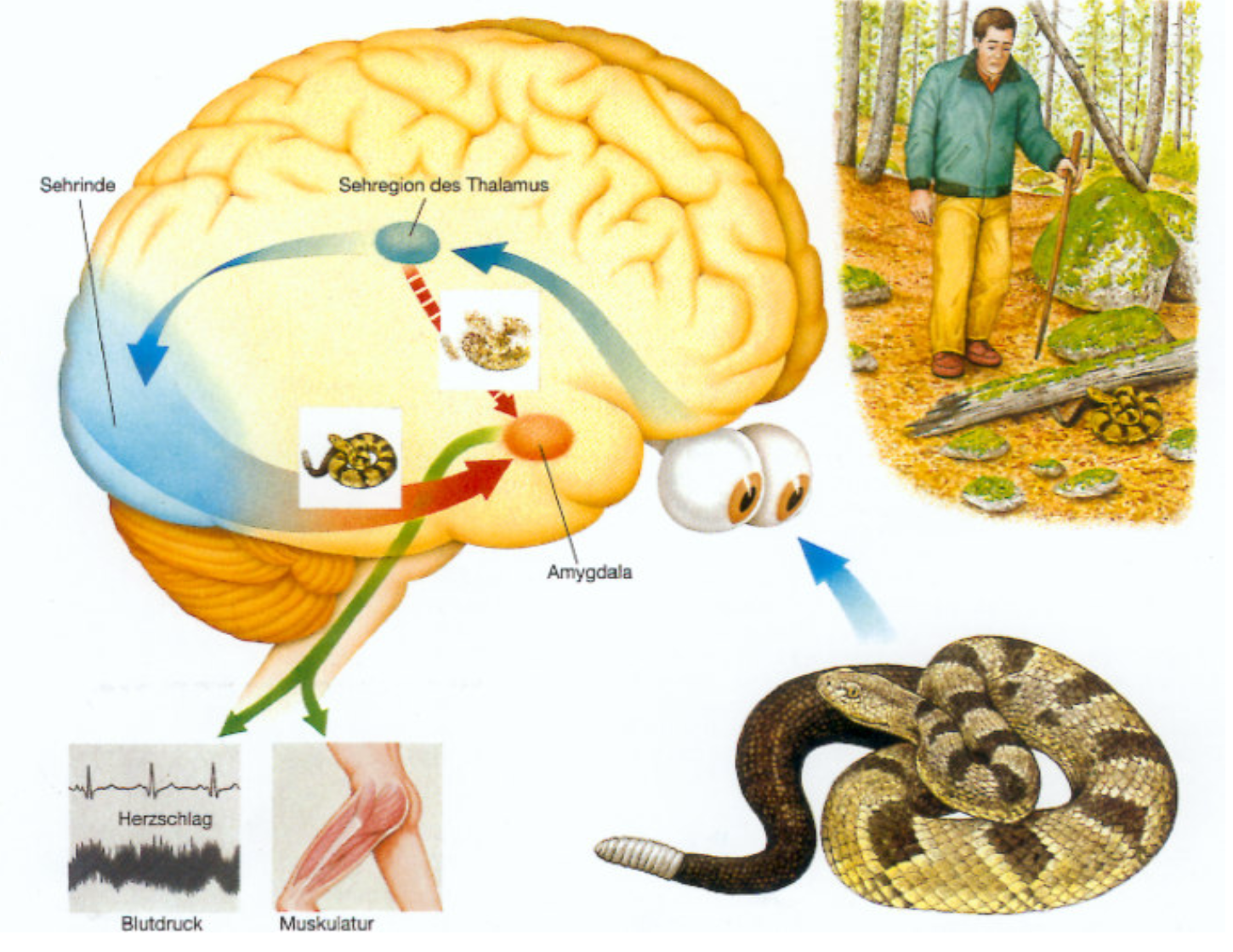
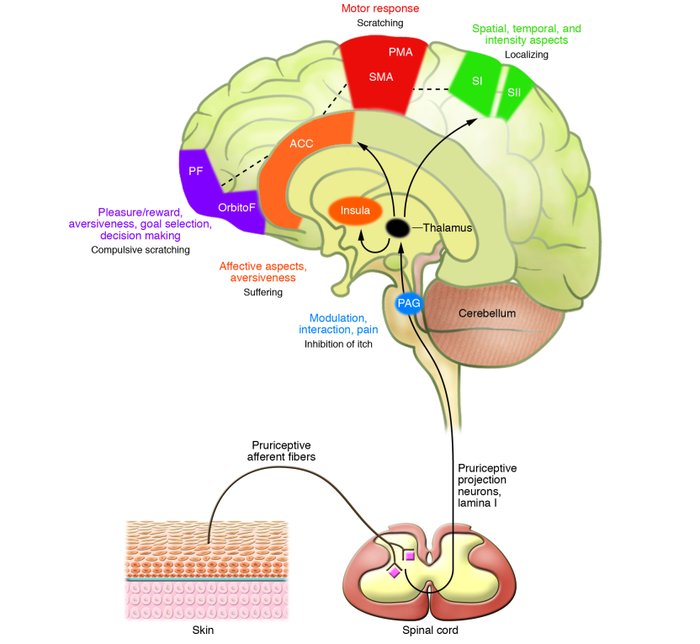
Populist politicians aim directly at your emotions — they want you to feel, not think!
With feelings, you can catch people, no matter the truth value of the message.
That’s why emotional stories spread faster than logical arguments.
Why Smarter Policies Struggle
Alternative policies:
- Compete globally on the market
- Fight climate change with sustainable strategies
- Improve migrant integration
These rely on the prefrontal cortex — logic, planning, critical thinking.
It’s harder work than emotional relief. That’s why such policies spread more slowly.
The Ancient Brain
Our brains are still those of hunter-gatherers (~200,000 years old).
Humans once lived in groups of 20–50 people. Even early villages only had ~300.
With the internet, we now face thousands of emotional stories daily.
Viral content? Almost always emotional. → Again, amygdala & ACC overload.
This chronic stress leads to rejection, lockdown, and retreat to safe spaces.
Right-wing parties leverage exactly this mechanism.
How Understanding the Brain Can Help Democracy
By understanding our brain’s emotional triggers, we can reflect on our biases.
Democracy cannot be saved by facts alone — it needs better emotional stories:
- Stories of people benefitting from climate policies
- Stories of happy migrants finding a home
- Stories of globalization successes
Democracy will be saved by people who share hope and love, not just dry facts.
In the end, it remains crucial to understand not just what we do, but also why we do it.
Sources
- LeDoux, J. E. (1998). The Emotional Brain.
- Bush, G. et al. (2000). Cognitive and emotional influences in anterior cingulate cortex. Trends in Cognitive Sciences.
- https://www.jci.org/articles/view/28553/figure/2
Bis zum nächsten Mal, Euer Max